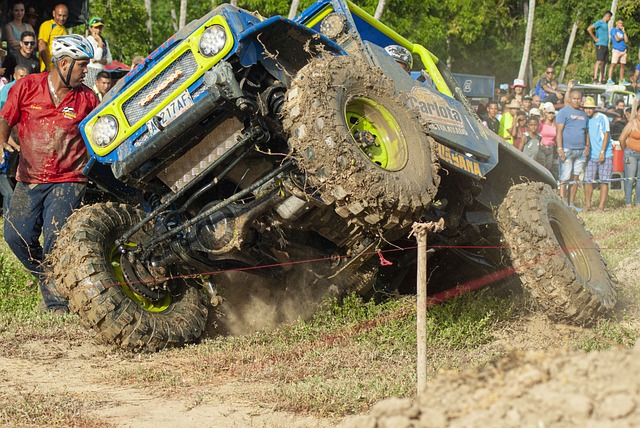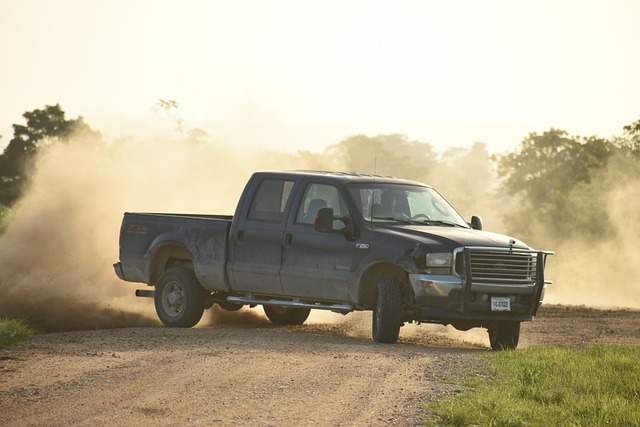




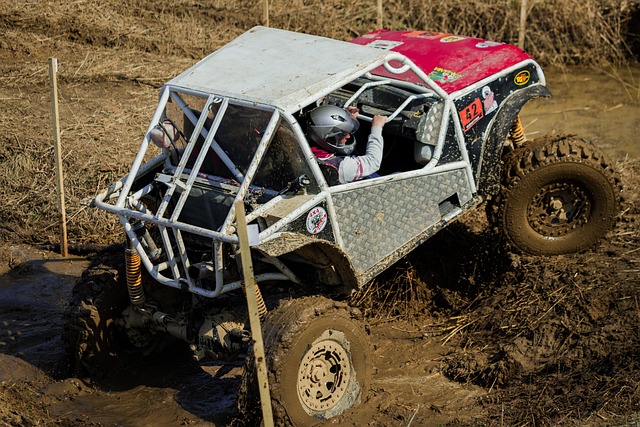

Brownsvilles Best 4×4 Events have long been a highlight of off-road enthusiasts’ calendars. With challenging terrains and vibrant communities, these events attract participants from all over. However, to make the most of these thrilling experiences, maintaining your fleet of 4×4 trucks is paramount. This article delves into the best practices for fleet truck maintenance specifically tailored for Brownsvilles Best 4×4 Events, ensuring you’re prepared for any adventure that lies ahead.
Understanding the Unique Challenges of 4×4 Events
Demanding Terrain and Conditions
Brownsvilles 4×4 events often take place in rugged, varied terrains, from dense forests to steep slopes. This demands extreme durability and adaptability from your trucks. Regular maintenance is crucial to ensure each vehicle can withstand these conditions without failure.
Frequent Use and Long Hours
Participants in these events frequently use their trucks for extended periods, pushing them beyond standard daily driving. Such heavy usage accelerates wear and tear, necessitating a proactive approach to maintenance.
Essential Fleet Truck Maintenance Best Practices
Regular Inspection and Scheduling
Frequency: At least once a month or after every 500 miles, whichever comes first.
- What to Check: Tyres (including spare), brakes, lights, fluid levels (engine oil, coolant, brake fluid, power steering fluid), belts, hoses, exhaust system, and suspension components.
Preventive Maintenance
Key Areas:
- Engine: Change oil and filter regularly, perform periodic compressions tests, and inspect for leaks.
- Transmission: Use the recommended transmission fluid and check for leaks. Regularly test the clutch and differential oils.
- Exhaust System: Inspect for rust, holes, or damage, ensuring all components are securely fastened.
- Brakes: Monitor brake pad wear and replace when necessary. Check brake fluid levels and look for signs of contamination.
Tire Maintenance
Strategies:
- Rotate Tires Regularly: Every 5000–8000 miles to ensure even wear.
- Check Tire Pressure: Maintain proper PSI as per the vehicle manufacturer’s recommendation.
- Inspect for Damage: Check for cuts, cracks, or bulges before each event. Replace damaged tires immediately.
- Carry a Spare: Always have a fully functional spare tire with matching wheels and a tire repair kit.
Fluids and Filters
Importance:
- Engine Oil: Change it according to the manufacturer’s schedule for optimal performance and engine longevity.
- Coolant: Top up and check regularly, especially in hot climates.
- Brake Fluid: Keep at the recommended level; contaminated fluid can compromise braking performance.
- Air Filter: Clean or replace as per the vehicle’s mileage or manufacturer’s recommendation to ensure optimal air intake.
Suspension and Exhaust Maintenance
Considerations:
- Suspension: Inspect shocks, struts, springs, and control arms for leaks, damage, or wear. Replace any faulty components immediately.
- Exhaust System: Check for rust, holes, or loose connections that could affect performance or cause unsafe conditions.
Electrical System Checks
Focus Areas:
- Battery: Test the battery regularly to ensure it holds a charge. Clean battery terminals and connections.
- Lights and Signals: Verify proper functioning of all lights, turn signals, and hazard lights. Replace any burnt-out bulbs promptly.
Tips for Efficient On-Site Maintenance at Brownsvilles 4×4 Events
Set Up an Organized Workshop Area
Designate a specific area for maintenance, complete with tools, jack stands, and repair equipment. Keep it well-lit and organized to enhance efficiency.
Collaborate with Other Participants
Forming a maintenance network within the participant community can be invaluable. Sharing knowledge and resources can save time and ensure everyone’s vehicles are ready to roll.
Pack Essential Tools in Your Vehicle
Keep a well-stocked emergency toolkit in your 4×4, including basic tools, jumper cables, a first aid kit, and a fire extinguisher. This prepares you for minor repairs or emergencies at the event site.
Troubleshooting Common Issues During Events
Engine Problems
Potential Causes:
- Low Oil: Check oil levels and top up if necessary.
- Contaminated Fuel: Use clean fuel and consider using a fuel stabilizer for long-term storage.
- Spark Plugs: Replace if they’re fouled or worn out.
Brake Malfunction
Checks and Solutions:
- Low Brake Fluid: Top up with the correct type of fluid.
- Vibrating Brakes: Inspect rotors and pads for wear or damage.
Flat Tires
Remedies:
- Carry a spare tire, jack, and lug wrench.
- Learn how to change a tire quickly and efficiently.
Frequently Asked Questions (FAQs)
Q: How often should I change my 4×4 truck’s oil?
A: Follow the vehicle manufacturer’s recommendation, typically every 5000–10,000 miles or three to six months, whichever comes first.
Q: What should I look for during a tire rotation?
A: Ensure even wear patterns on all tires. Rotate them according to the vehicle’s specifications, usually front-to-back or side-to-side.
Q: Can using a spare tire permanently damage my original tires?
A: No, provided you replace the spare back onto its designated wheel after use and drive at safe speeds (typically 50–60 mph). However, spares are designed for temporary use only.
Conclusion
Brownsvilles Best 4×4 Events offer an unparalleled off-road experience. To make the most of these adventures, prioritizing fleet truck maintenance is essential. By following the best practices outlined in this article and being prepared for unexpected issues, you’ll not only ensure your trucks are reliable but also enhance your overall event enjoyment. Remember, a well-maintained vehicle is the key to a safe and successful 4×4 adventure.